10 Things You Learned In Kindergarden That Will Help You Get Dripping Coffee


Drip Coffee Makers
Drip coffee is a great way to ensure consistency and quality in your morning coffee. It is easy to use and can be customized to your personal tastes. Consider the coffee-to water ratio, sprayhead and water temperature. Descaling is crucial.
The proper grind size can enhance the flavor of your coffee. The filter you choose to use can impact the flavor.
Drip coffee makers
Drip coffee makers use a hot water reservoir to create deliciously tasty and satisfying cups of coffee. These machines are popular due to their reliability and ease-of-use. There are a myriad of drip coffee makers, from single-serve machines to carafes that can make 12 cups at a time. The type you choose will depend on your personal preferences and needs.
It is important to use the correct ratio of water and coffee to make a great cup. This will determine the flavor and strength of your coffee. The optimal ratio of coffee to water is 1:15 to 1:18. This means you should use one-third ground coffee and eight parts water. You can alter this ratio to your preference but it is crucial to keep the ratio consistent to ensure proper extraction.
Another important aspect is the size of grind of your coffee. A medium grind size is best using a drip coffee maker. This will ensure that all the grounds are fully saturated with water, leading to a full-flavored cup of coffee. You can also try to find the ideal grind size that suits your tastes.
A good drip coffee maker will be easy to clean and come with a a carafe that is durable and pleasing to the eye. It should also be dishwasher-safe. The coffee maker must be easy to use. You could get up to a freshly brewed pot of coffee.
Another thing to consider when selecting the drip coffee maker is the temperature control. coffee machine drip must ensure that the water is at a hot enough temperature to extract all the flavors and oils from your grounds. The ideal temperature for drip coffee is between 195 and 205 degrees Fahrenheit. drip coffee makers with temperature control will maintain the same temperature throughout the entire brewing process.
You can also opt for a drip coffee maker that has a built-in grinder or one that can grind whole beans prior to brewing. This feature can save you time and money as well as ensure that your coffee is always made at the right strength. You can also get drip machines that have features such as strength adjustment and iced coffee functions.
Grind size
The grind size is a crucial aspect in drip coffee since it affects the extraction of flavor from the grounds. The size of the grind determines the amount of surface area available for water to filter. For drip brews with a medium grind size allows the best extraction. It also stops over-extraction which can give the coffee bitter taste, as well as under-extraction that causes it to have a sour, flat flavor.
Burr grinders are the ideal method to achieve an even size grind. This type of grinder crushes beans between two burrs, instead of cutting them, creating uniformly ground texture. You can also play around to find the ideal grind size for drip brewing. Make sure to clean your grinder frequently to avoid a build-up of old coffee grounds.
When deciding on a size for your grind it is crucial to think about the brewing method you're using and the kind of filter you're using. Drip brewers that use flat-bottomed filter baskets need an average-sized grind, while cone-shaped filter baskets require smaller grinds. The kind of coffee filter you employ will also impact the final flavor. A cloth or paper filter allows grounds to pass through, while the use of a plastic or gold permanent filter will hold them inside the pot.
Brewing time is another important aspect to consider. A longer brewing period will give you a more intense and more pronounced flavor. If your drip brew isn't strong enough, you should try increasing the amount of ground you use or the amount of water used.
You can also play around with different types and roasts of coffee to find out which ones work best in your drip-coffee maker. Also, be aware of the temperature of your water as it could affect the flavor of your coffee. You should aim to have your water temperature between 195 and 200 degrees Fahrenheit.
Filter type
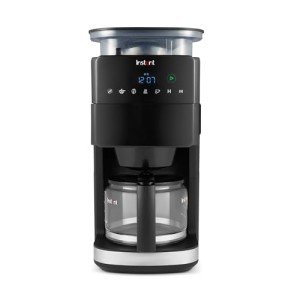
There are many different types of filters for drip coffee makers, and each has its own impact on the final cup. Paper filters are the most popular and are available in different sizes and shapes to suit different brewing systems. However, not all filters are made equal. Cheap filters can affect the flavor of your coffee by transferring foreign flavors or clogging. Certain filters are also bleached using chlorine, which can alter the final flavor of the coffee. The unbleached filter will lessen the effects.
The size of the filter also affects the taste of your coffee. Filters of different sizes allow for more particles and oil to flow through, while smaller ones stifle these substances. This makes for more smooth tasting coffee. For drip coffee makers, the medium grind size is recommended as it allows for the most flavor from the grounds.
Coffee drinkers can pick from a variety of filter brands and devices including Hario V60 and Kalita Wave. Melitta and Chemex are also well-known choices. All of these gadgets are placed on top of the carafe, and use a filter that captures the coffee grounds when it drips. While they may look similar, each has specific design features that impact the extraction and taste of the brew.
In addition to the form of filter, the shape of the filter can also impact the quality of your brew. The best filters for drip coffee makers are cone-shaped, which allows water to flow more evenly through the grounds. They are also more durable than flat-bottomed filters and can hold a greater volume of ground.
The type of coffee beans you use will also impact the final taste. A coarser grind, for example, will produce more sediments than a finer grind. The ratio of water to coffee can affect the flavor. The ideal ratio is 1 to 2 tablespoons of espresso for 6 ounces of water. This ratio is often referred to as "the golden ratio" and is the ideal choice for the majority of drip coffee makers.
Temperature of water
A great cup of coffee is dependent on numerous factors to be achieved the desired result, the temperature of the water is a key factor in the extraction. The ideal temperature for water is to be in the sweet spot between 195-205 degrees Fahrenheit. This temperature range is ideal for any brewing method. The right temperature for your water ensures that the coffee's flavor is extracted at an optimal rate.
Make sure your drip coffee maker is clean. This will prevent mineral deposits and residues which can negatively affect the taste of your espresso. It is recommended to utilize a descaling product according to the manufacturer's instructions. It is also recommended to clean the showerhead and filter basket frequently.
The type of filter you use will also impact the flavor of your beverage. Paper filters are great to hold solids that are soluble however they also produce an uninspiring flavor. Mesh filters let oils pass and create a more pronounced taste. It's a good idea experiment with different filter types to determine which one is the most suitable for your style of brewing and tastes.
The proportion of coffee to water can also affect the flavor of your brew. The most common ratio is 1:16, which means that a single serving of coffee should be mixed with 16 parts of water. The brew-time also plays a role to achieve the desired flavor and strength. In general, coffee brewed begins to lose its flavor shortly after the preparation stage, therefore it shouldn't be consumed for longer than an hour.